


Our Planet, Our Problem (how to combat climate change and what exactly is it?)

In today’s world, climate change has massive impacts on society and our planet. It’s easy to feel small or as though there is no antidote—like there is nothing you can do—but fear not. In this post, you will learn more about climate change and steps you can take to combat climate change, prevent further warming, and prevent environmental destruction.

Now, before we get into what you can do, it’s important to define what climate change is, what causes it, and what the results are. Climate change is exactly what it sounds like: long-term changes in Earth’s climate. According to Oxford Learner’s Dictionaries, climate change is “changes in the earth’s weather, including changes in temperature, wind patterns, and rainfall, especially the increase in the temperature of the earth's atmosphere that is caused by the increase of particular gases, especially carbon dioxide.” Causes include burning fossil fuels, deforestation, agriculture and farming, and industrial processes. These actions release greenhouse gases such as carbon dioxide (CO2), methane (CH4), and nitrous oxide (N2O). These gases trap heat in Earth’s atmosphere, acting like a blanket around the planet. This trapped heat leads to rising global temperatures, melting glaciers, sea-level rise, ocean acidification, and an increased frequency of extreme weather events.
Now we know the causes and effects, but why should we care? Let me break it down. Rising global temperatures disrupt the global water cycle, leading to shifting weather patterns and more intense heatwaves. According to the IPCC (Intergovernmental Panel on Climate Change), “human-caused climate change has increased the frequency and intensity of heatwaves since the 1950s.” Heatwaves increase food insecurity and raise mortality and morbidity rates. Rising temperatures also intensify hurricanes, wildfires, and floods. On July 4, 2025, over 100 people died from a flood in Texas, which scientists linked in part to climate change. In recent years, California has experienced increasingly destructive wildfire seasons fueled by hotter temperatures and drier conditions.
Climate change is no longer some distant issue people can ignore—it is happening right now. Between 1994 and 2017, Earth lost around 28 trillion tonnes of ice. Remember those cute polar bears in the Arctic, or those waddling penguins in Antarctica? As of May 15, 2008, polar bears became listed as a threatened species under the Endangered Species Act. In key areas such as Western Hudson Bay, polar bear populations have declined by around 50% since the 1980s, and the Southern Beaufort Sea population has declined by around 40% (according to Polar Bears International). In key Antarctic regions, emperor penguin populations have also been declining, with a 22% drop between 2009 and 2024 (according to PBS News). Not only does melting ice destroy animal habitats, but it affects humans too. Melting sea ice in the Arctic leads to the loss of critical habitats for species like krill—small shrimp-like crustaceans—which can cause entire food webs to collapse. In addition, many regions rely on glaciers to release water during dry periods. Shrinking glaciers threaten the long-term water security of millions of people. Melting glaciers and ice are also major drivers of flooding and sea-level rise. If all of Earth’s ice caps melted, global sea levels could rise around 70 meters (230 feet), flooding coastal cities across the globe. Cities like Miami, New York, Shanghai, Mumbai, Alexandria, Dhaka, Buenos Aires, and many others would be devastated. So, if you think you’re safe, you’re not.
Now that we have talked about many of the effects of climate change, let’s end off with ocean acidification. Ocean acidification is the decrease in the ocean’s pH. pH is a logarithmic scale that measures how acidic or basic something is. The higher the pH, the more basic a substance is, while lower pH levels are more acidic. Ocean acidification is caused by the absorption of anthropogenic carbon dioxide (CO2) from the atmosphere. Since the Industrial Revolution, this absorption of CO2 has increased ocean acidity by around 30%. Ocean acidification reduces carbonate ions, making it extremely difficult for marine life like coral and shellfish to build shells and skeletons. This threatens food chains and entire reef ecosystems. Ocean acidification also affects humans by threatening food security and weakening natural coastal protection systems.
Overall, climate change is extremely disruptive and dangerous. Climate change has already contributed to hundreds of thousands of deaths worldwide through heatwaves, floods, food insecurity, disease, and natural disasters. Some projections estimate that climate change could contribute to millions more deaths by 2050 if major action is not taken. Now that we know the drastic effects of climate change and how they affect us, let’s get into what YOU can do!
Part 1! — Waste Reduction!
I will teach you easy, not overly time-consuming things you can do to help reduce waste. Next time you go to the supermarket, instead of paying 10–15 cents for a plastic bag, bring a reusable one. Plastic bags pollute ecosystems and can remain in the environment for centuries, breaking down into harmful microplastics. It’s better to use a reusable tote bag because not only are you helping the environment, but you’re also saving money.
Another easy thing you can do is use reusable containers and bottles instead of disposable plastics. You can also help the environment by reducing paper usage. Excessive paper consumption drives deforestation, which destroys habitats for countless animals and disrupts ecosystems that humans also rely on. Around 4 billion trees are cut down annually.
On the topic of trees, Ecosia is a great site to use. It works exactly like Google or Safari, but when you search things up, revenue from searches helps plant trees. It’s an easy and effective way to become more environmentally involved.
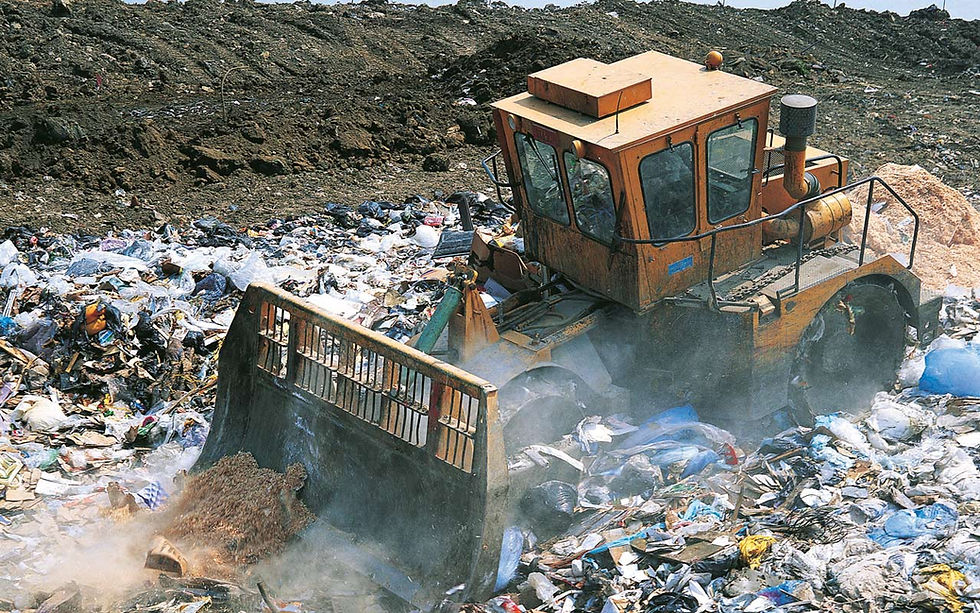
In today’s day and age, we all love shopping, especially for clothes. People love what many call “fast fashion.” If you don’t know what fast fashion is, it is the rapid production of inexpensive, low-quality clothes designed to mimic short-lived trends. Many brands follow this model, including Shein, Zara, H&M, Primark, Forever 21, Temu, Gap, Cider, Mango, ASOS, and Old Navy. I know it’s tempting to shop from these brands because they are affordable and trendy, but there are alternative ways to get cute clothes for cheaper. You can achieve this through… drum roll please… THRIFTING! Thrifting is a great way to save money while gaining access to unique, high-quality, or vintage items. It promotes sustainability by extending the life of clothing and reducing landfill waste. Fast fashion, on the other hand, drives environmental pollution, promotes overconsumption, and often relies on the exploitation of workers.
Part 2! — Energy Conservation!
Let’s save some energy! Anytime you are not using your computer or phone, make sure to turn it off or put it into low-power mode. When devices are constantly left on, energy continues to be drawn unnecessarily, increasing greenhouse gas emissions and energy demand. It’s also helpful to use smart thermostats and energy-efficient light bulbs to reduce energy usage and greenhouse gas emissions.
Part 3! — Water Conservation!
Saving water is critical because it preserves a limited natural resource, reduces energy consumption, and saves money. One way we can conserve water is by taking shorter showers and baths. Now, I know once in a while we all like to take a nice soothing bath with rose petals or a long hot shower, but it’s time to limit these excursions. Shorter showers save water (nice alliteration)!
This next one benefits both you and the environment: repairing leaking toilets and faucets immediately. The average household wastes nearly 10,000 gallons of water annually due to leaks. By reducing water usage, you help the environment while also saving money. Water bills are insanely high these days.
This next one might be a little challenging for some of you guys, but being mindful of excessive AI use can also help reduce energy and water consumption. Programs like ChatGPT require huge amounts of energy and cooling systems, which contribute to carbon emissions and environmental strain.
Finally, Part 4! — Make Sustainable Choices!
Small everyday decisions can help the environment and mitigate climate change. Something as simple as choosing to walk, bike, carpool, or use public transportation instead of driving can reduce greenhouse gas emissions and fossil fuel usage. Eating less meat and dairy is also helpful. Industrial livestock production is a major driver of climate change, deforestation, and excessive water consumption. Reducing meat consumption lowers emissions, frees up agricultural land, and reduces pressure on ecosystems.
It’s also good to support eco-friendly brands. Here are a few examples: Pact (organic cotton clothing), Girlfriend Collective (activewear made from recycled materials), Save the Duck (vegan and cruelty-free outerwear), Allbirds (sustainable footwear), Grove Collaborative (eco-friendly home products), Pela (100% biodegradable phone cases), Klean Kanteen (reusable stainless steel bottles and containers), and Reformation (sustainable clothing).
If you live in a rural area, planting trees can also be extremely beneficial. Trees improve air quality, absorb carbon dioxide, and provide habitats for wildlife. Composting and picking up litter are helpful as well. Volunteering can be a great way to clean up your community while also meeting new people and making friends. Environmental activism does not always have to look massive or revolutionary. Sometimes meaningful change begins with small, consistent actions repeated every single day.


Comments